Diabetes and Inflammation

Diabetes and Inflammation

Junk food, sweets, desserts, simple carbohydrates…. whatever you call them, people with diabetes (and without diabetes) need to avoid or limit intake.  This is because they have no nutritional value, meaning that they do not provide many vitamins, minerals, fiber, or protein- nutrients that are vital to health.  What they do provide is hydrogenated (unhealthy)…

Sneaky Sugar in Foods…Is it Affecting Your Diabetes?

Sneaky Sugar in Foods…Is it Affecting Your Diabetes?

Have you been skipping sweet treats to reduce your sugar intake? Besides desserts, you may actually be eating more sugar than you realize. According to the American Heart Association, the average American eats 22 teaspoons of added sugar daily.  This excess sugar may cause a significant increase in your blood sugar and lead to weight…

How Does a Registered Dietitian Nutritionist Help with Diabetes Management

How Does a Registered Dietitian Nutritionist Help with Diabetes Management

Were you recently diagnosed with diabetes and don’t know where to begin? The first action we recommend with any type of chronic disease is to gather more information about it and be compliant with your provider visits. This can be an overwhelming time, so take it one step at a time. We are here for…

Inflammation, Diabetes, and You

Inflammation, Diabetes, and You

It is well-known that being overweight, inactive, having poor dietary habits, and family history are risk factors for developing diabetes. What you may not know is there is another suspect emerging as a major contributor to that risk – Inflammation. Inflammation is part of the body’s immune response. It is how the body reacts to…

The Benefits of Plant-Based Diets and Managing Diabetes

The Benefits of Plant-Based Diets and Managing Diabetes

Do you need more color in your diet? Plant based diets are filled with colorful vegetables, fruits, vibrant herbs and spices, whole grains, legumes, nuts, and seeds. A plant-based diet is recommended to improve a variety of health conditions, such as the prevention and treatment of diabetes. The benefits of plant-based diets in diabetes management…

The Heart of the Matter – Diabetes and Heart Disease: What you can do

The Heart of the Matter – Diabetes and Heart Disease: What you can do

Heart disease is the #1 cause of death for both men and women in the United States. If you have diabetes, your risk of developing heart disease, heart attack, or stroke is double that of someone who does not have diabetes. Diabetes/high blood sugar can damage the blood vessels and nerves of the heart, and…

The Heart of the Matter – Diabetes and Heart Disease: What you can do

The Heart of the Matter – Diabetes and Heart Disease: What you can do

Heart disease is the #1 cause of death for both men and women in the United States. If you have diabetes, your risk of developing heart disease, heart attack, or stroke is double that of someone who does not have diabetes. Diabetes/high blood sugar can damage the blood vessels and nerves of the heart, and…

Fiber and Type 2 Diabetes

Fiber and Type 2 Diabetes

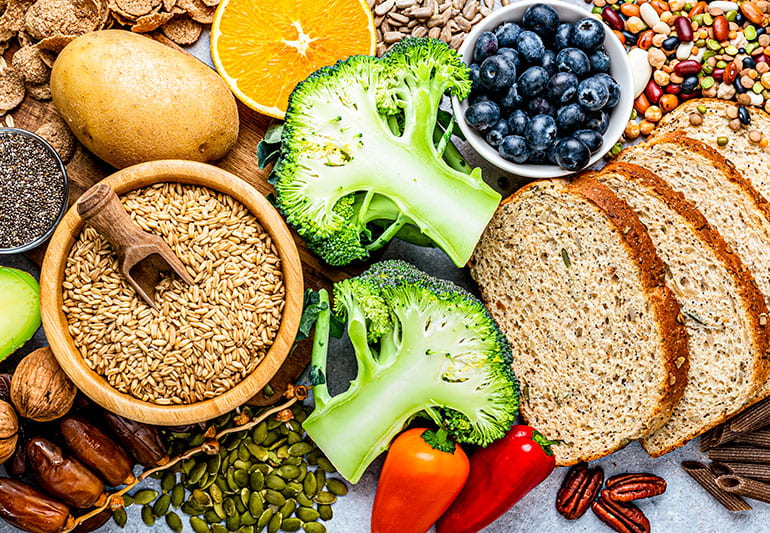
Dietary fiber has been shown to help manage and reduce the risk of type 2 diabetes. Eating a high-fiber diet increases satiety, decreases body weight, and improves glucose insulin responses. Fiber is classified as either soluble or insoluble. Soluble fiber dissolves in water and lowers glucose levels and cholesterol, while insoluble fiber helps move food…

Managing Type 2 Diabetes and Non-Alcoholic Fatty Liver Disease (NAFLD) Through Nutrition

Managing Type 2 Diabetes and Non-Alcoholic Fatty Liver Disease (NAFLD) Through Nutrition

Living with type 2 diabetes and non-alcoholic fatty liver disease (NAFLD) can present unique challenges. Both conditions are closely interconnected, as the presence of type 2 diabetes significantly increases the risk of developing NAFLD. However, with proper nutrition and lifestyle modifications, individuals with type 2 diabetes and NAFLD can effectively manage their conditions and improve…

Can Diabetes Make Your Frozen Shoulder Worse?

Can Diabetes Make Your Frozen Shoulder Worse?

Have you experienced stiffness and pain in the shoulder joint, causing discomfort? This could be a sign of adhesive capsulitis, also known as “frozen shoulder”. Keeping your shoulder still for long periods of time increases the risk of developing frozen shoulder. Overtime, this becomes painful, and you may need to seek medical assistance. Treatments may…