
Information and Direct Benefits of Intermittent Fasting
I’m sure that many of us growing up have heard of or personally know someone going on an “trendy” diet: vegan, paleo, keto, pescatarian, among many others. One diet that has had a seemingly meteoric rise in popularity in the past two years would be “Intermittent Fasting”, which is often short-handedly referred to as “IF”.
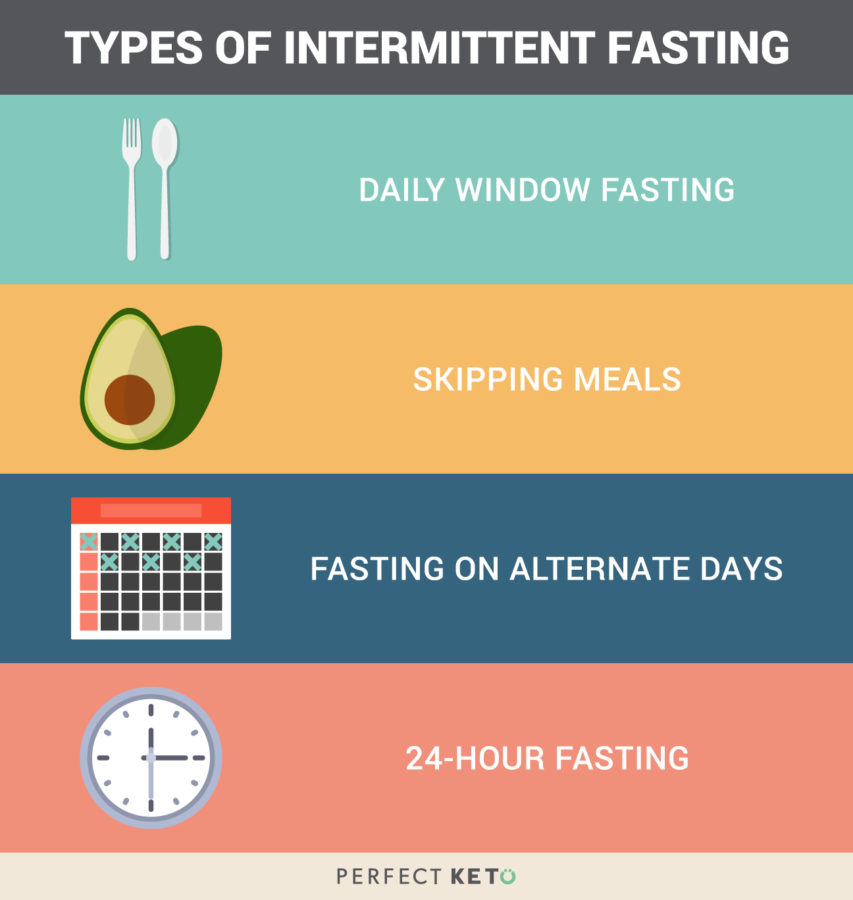
For anyone who is unaware of this diet, there are a few variations, but the base idea and rules are relatively simple to remember. The most popular IF model is known as 16:8, where each participant is meant to fast for 16 hours, and have an 8 hour time period where they are allowed to eat—typically people will restrict their eating schedule from 12pm to 8pm. During this fasting period, people are only allowed to consume water. Consuming anything during this fasting period is prohibited, including “no-calorie” snacks or beverages such as diet soda and tea.
Other IF types include 5:2, where participants should eat as they regularly would for 5 days a week, but set aside 2 days each week to eat only 500-600 calories, or another example would be undergoing a 24 hour fast on a less frequent basis, such as once or twice a month.
How did this diet trend rise to quick popularity? Well, it likely started will a small, yet devoted following of people who recommended IF to their friends or posted about it on social media. The article linked below provides numerous examples found by studies that intermittent fasting offers outside of weight loss, such as “including improving insulin levels and sensitivity, and driving cells into apoptosis” (in layman’s terms, reduces risk of cancer).
Reading about these numerous health benefits on top of the promise of weight loss is what makes this diet so popular. However, it seems that the primary appeal is that, unlike other diets, IF does not prohibit you from eating certain foods (whereas keto and paleo, for example, would). Instead, anyone who undergoes an intermittent fasting diet only has to worry about checking the time and ensure sure that they are not about to consume anything outside of their allotted eating time-period. This dieting system results in being relatively easy-to-remember and incentives people to continue this diet by not prohibiting people from eating specific foods, which risks people relapsing to their old eating habits diets.
All of the above are examples of “Direct-Benefit Effects”, as discussed in class and in the textbook, for anyone involved in intermittent fasting. Anyone undergoing the diet gets to lose weight using a convenient system, while also reaping a myriad of health benefits. Some people may go through a “phase” with certain diets, but intermittent fasting hopes to retain people by not restricting their choice of foods and beverages, but instead, the times they eat, which is what many seem to appreciate about this diet.
Recently, over the past summer, I personally began to start the intermittent fasting diet as well. While my primary reason is, in fact, to lose weight and to be healthy, as shown in the “Direct Benefit Effects” above. However, the motivation I had found to start using IF in compound with calorie counting was inspired by “Informational Effects” as discussed in class and textbook.
I hadn’t heard about this diet until my uncle brought it up to me about a year prior. Then, since then, I had two other friends of mine also tell me that they had been using this diet. These three people were people from very different parts of my social network, with one being family and two being from different friend groups. All of them have had some results with the diet, and they all continually rave about this trendy, healthy lifestyle.
When it was just my uncle recommending me this diet, I admittedly shrugged it off a little bit because I thought it was an overly-unnecessary diet. But it wasn’t until hearing about how IF has helped numerous other people in my life lose weight that I decided that I would also take the leap by trusting the informational benefits of imitating my friends and family into this weird, cult-like following of a diet.
http://www.primedforhealth.com/news/2018/6/21/why-is-intermittent-fasting-so-popular