When can I clean up my garden…and still protect beneficial insects?

The days are getting longer and (sometimes) warmer, trees are beginning to leaf out, spring bulbs are blooming, and lots of people are anxious to clean up their gardens. But you may have heard that cleaning up your garden too early is bad for pollinators and other beneficial insects like natural enemies of pests. Is this true? How long do you need to wait?
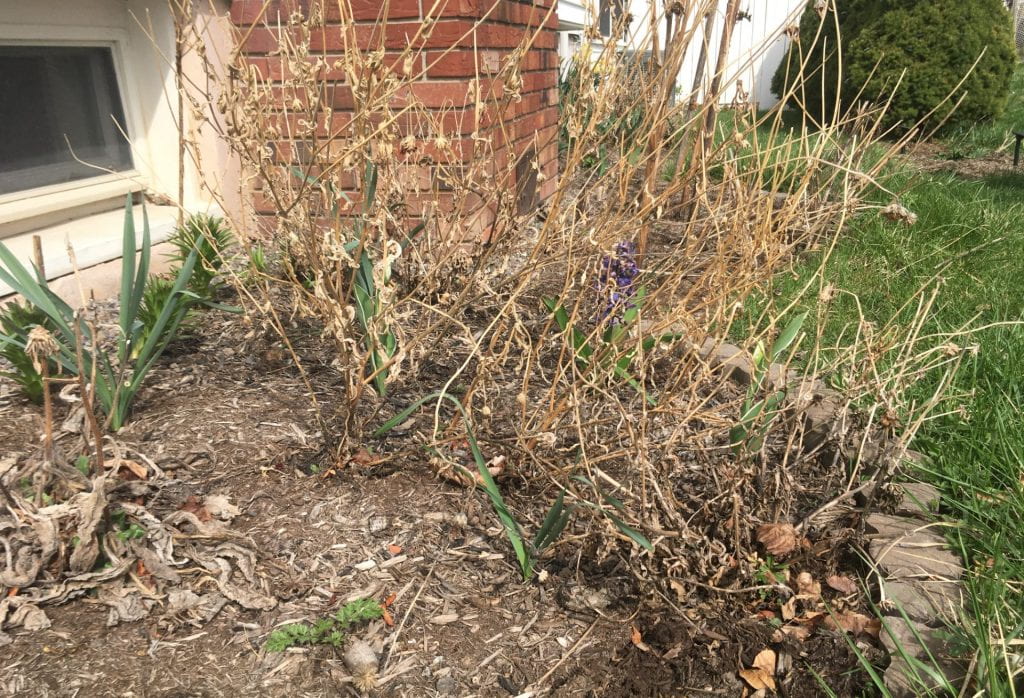
Garden bed next to a house still full of dead plant stems from last year’s flowers
Don’t clean up your garden too early this spring! Pollinators and natural enemies of pests need to stay cozy a bit longer.

What’s the concern with early garden clean-up?

There are two aspects of garden clean-up that pose a risk to beneficial insects in your garden: cutting out dead stems and clearing away leaves or other debris on the ground. Some species of wild bees nest in dead stems, so cutting down and disposing of these stems before the bees emerge for the spring is problematic. Dead leaves and other plant debris on the ground provide shelter for natural enemies like lady beetles, fireflies, and ground beetles. Pristinely-raked garden beds remove this shelter. You can read more about the benefits of messiness in this ThinkIPM blog post.

When should I clean up my garden?

First, please don’t clean your garden up in the fall. With the exception of removing and disposing of diseased or insect-infested plants (especially annuals), let your garden rest in the fall.

Ok, so you’ve waited until spring. But when? It’s complicated. You are trying to protect a diverse group of wild bee species, who are nesting in diverse settings (including both the ground and dead plant stems), in addition to many different species of beetles, spiders, and other arthropod natural enemies of pests. It should come as no surprise that all of these different arthropods emerge from their winter homes at different times. For example, around here (NY) bumble bees, carpenter bees, mason bees, and mining bees emerge earlier (early April) than sweat bees (May). Even within two species of mason bee, researchers found that the temperature during the winter, the sex of the bees, and their size all significantly impacted when they would emerge in the spring (varying by up to 40 days). Winter temperatures also impact when alfalfa leaf cutting bees and other bees emerge.
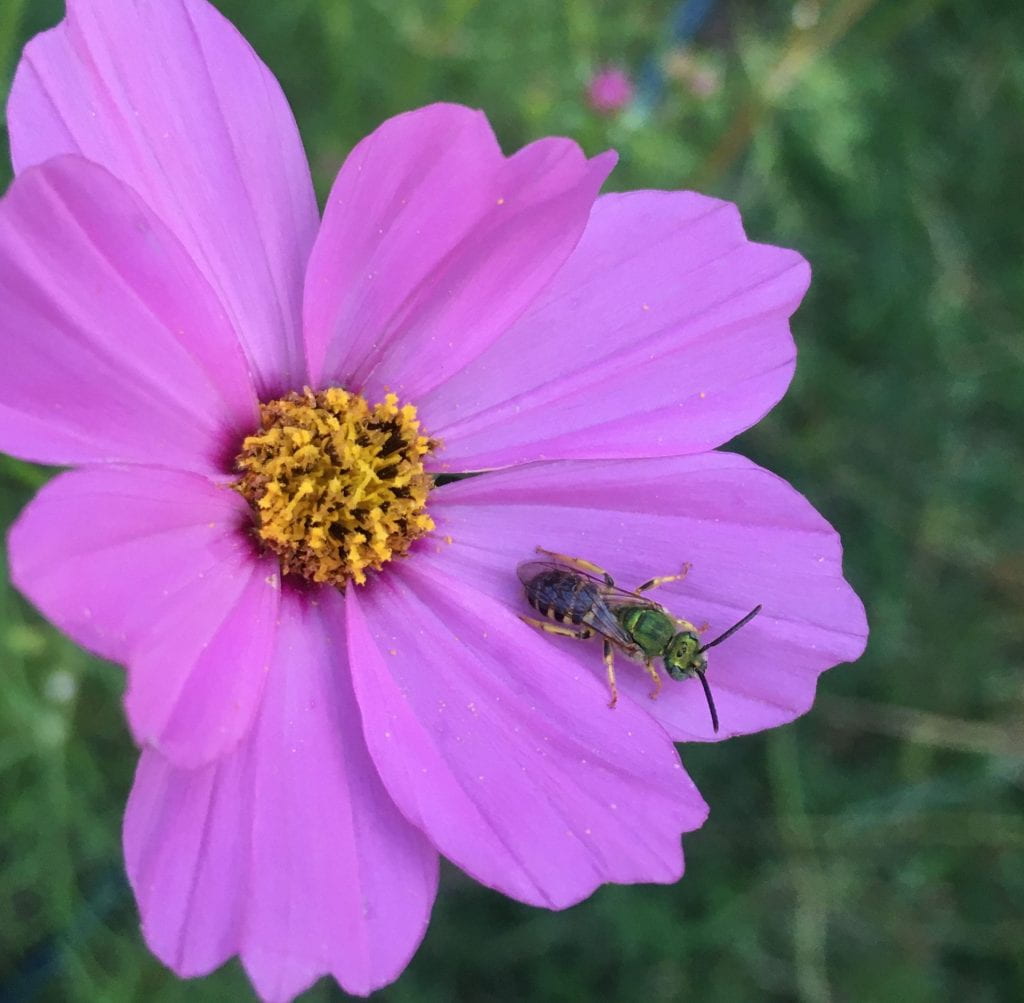
metallic green bee perched on a pink cosmos flower
Sweat bees nest in the ground, and emerge a bit later in the spring than some other bee species.

Read more When can I clean up my garden…and still protect beneficial insects?
Finding plants that feed friendly insects

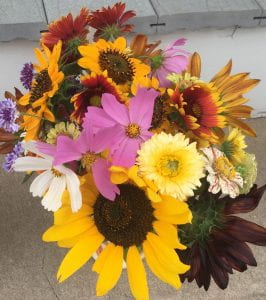
bouquet of yellow, orange, pink, red, purple, and white flowers
The prospect of growing cut flowers is so very appealing during February in upstate NY!

I don’t know about you, but this time of year I start daydreaming of all the plants I can’t wait to grow in my garden once it gets warm. The virtual and hard copy seed catalogs that fill my mailbox and my inbox are full of so many beautiful pictures and inviting suggestions. How to choose?

Well, if one of your goals for your 2022 garden is to provide good habitat for beneficial insects that eat pest insects (natural enemies of pests), here’s some advice…

Look for pollen and nectar producers

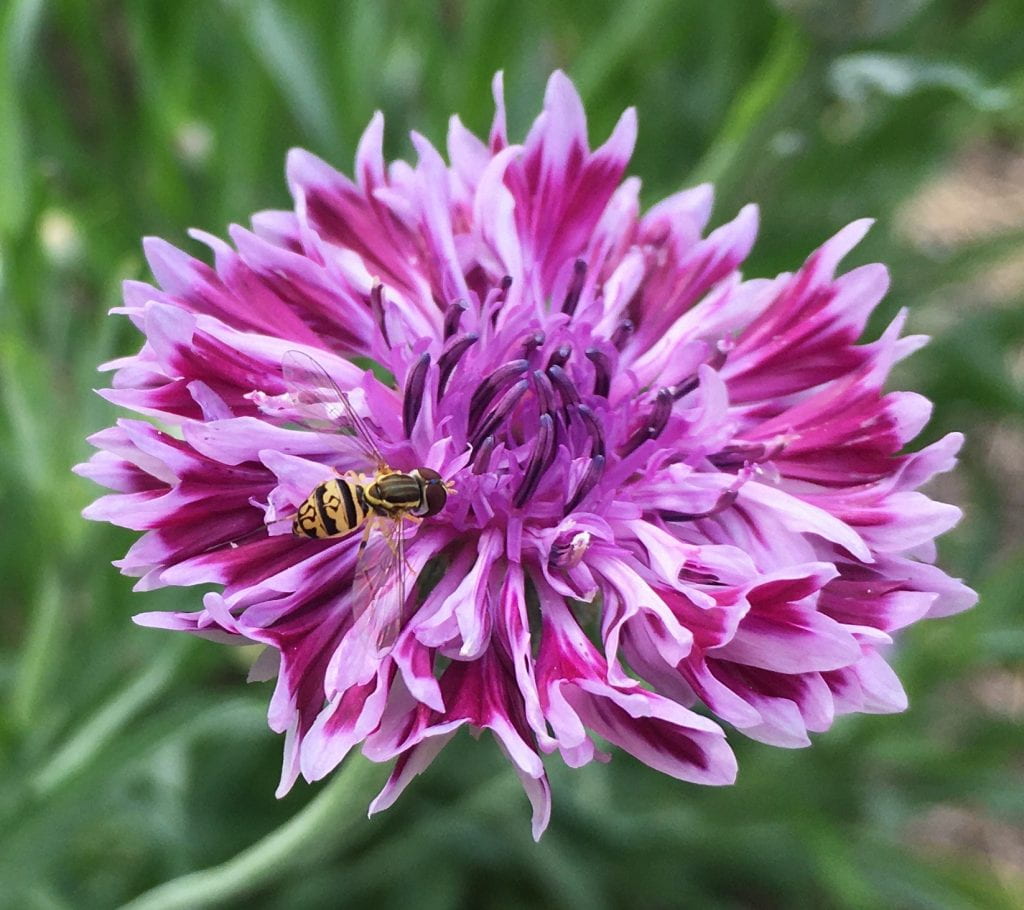
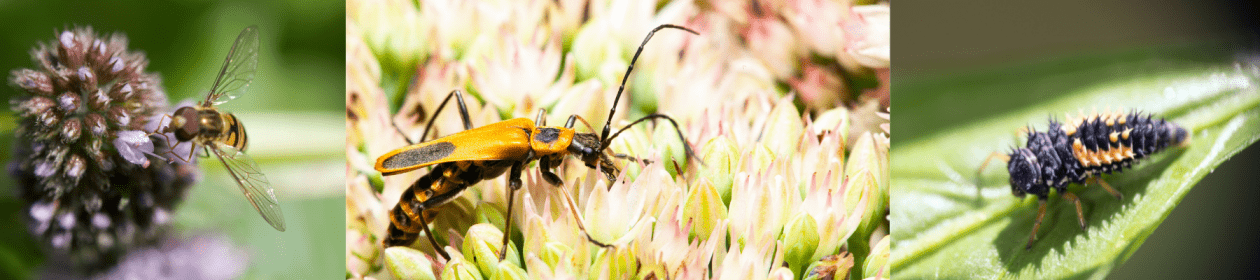
Flowers that provide plenty of pollen and nectar make great habitat for natural enemies. This is because some natural enemies also eat pollen or nectar (or both). For example, this adult hover fly feeds on the pollen and nectar produced by this bachelor’s button.

Black and yellow hover fly visiting a purple flower made up of a cluster of small petals
An appreciation for bachelor’s button flowers is something I share with this hover fly

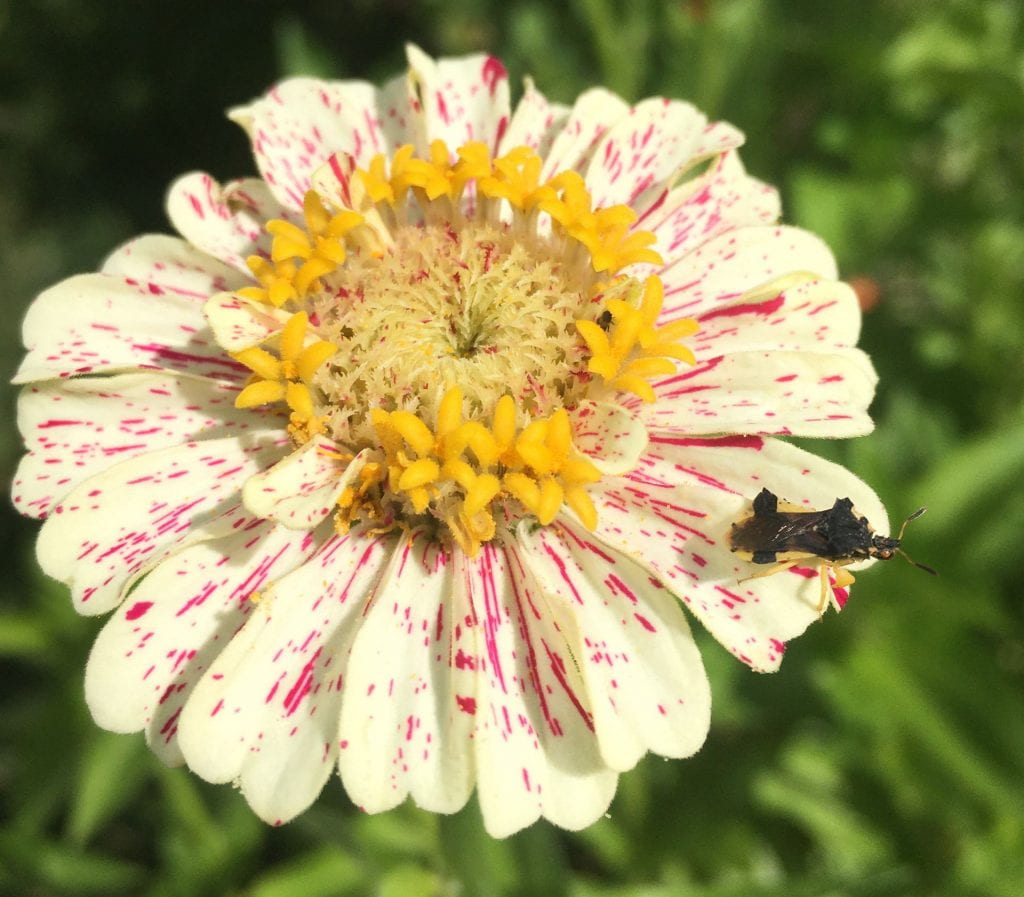
Flowers that produce pollen and nectar also attract other insects that natural enemies feed on (including lots of neutral insects, so the net effect is positive). This ambush bug is hanging out on a zinnia waiting for other insects to wander by and become lunch.

Dark brown and yellow insect on a zinnia with cream-colored petals flecked with pink
This ambush bug doesn’t seem too well camouflaged to me, but hopefully its prey didn’t notice it

How do you know if a plant will produce flowers rich in pollen and nectar? Read more Finding plants that feed friendly insects

Pollinator Gardens Made Simple

The past few years have seen a tremendous increase in interest in pollinator gardening.  This interest is fueled by the disease and health issues of our honey bees, the known declines in Monarch butterfly populations, and the apparent trouble our other native pollinators are in, all of which are becoming national concerns. Thankfully, the media has done an excellent job in educating the public on the important role pollinators play not only in our food system, but also in overall ecosystem health, and have brought attention to the worrisome declines.

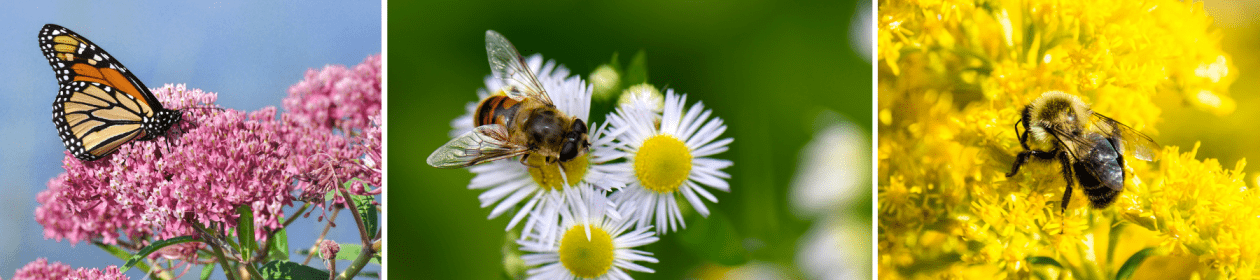
To show native plants available at Prairie Moon
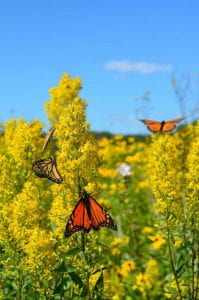
Showy goldenrod with monarchs, available at Prairie Moon

The serious loss of pollinators has increased the desire of many gardeners to help reverse this decline and see what they can do to help maintain and improve habitats for pollinators. This is where the interest in developing pollinator gardens comes into play. But where does the average gardener gain the necessary knowledge to design a successful pollinator garden? There are many questions to answer: Which flowering plants are best for pollinators? What plants can diversify and extend the nectar available throughout the growing season? Should only native plants be used? Do some of our commonly planted annual and perennial flowers do the job? Walking into a big box store or nursery can leave you as confused as ever with so many choices, but only sparse information.

I was musing about all these issues the other day when a catalog arrived in the mail from Prairie Moon Nursery located in Winona, Minnesota. Prairie Moon Nursery specializes in native seeds and plants for gardening and environmental restoration.  Read more Pollinator Gardens Made Simple