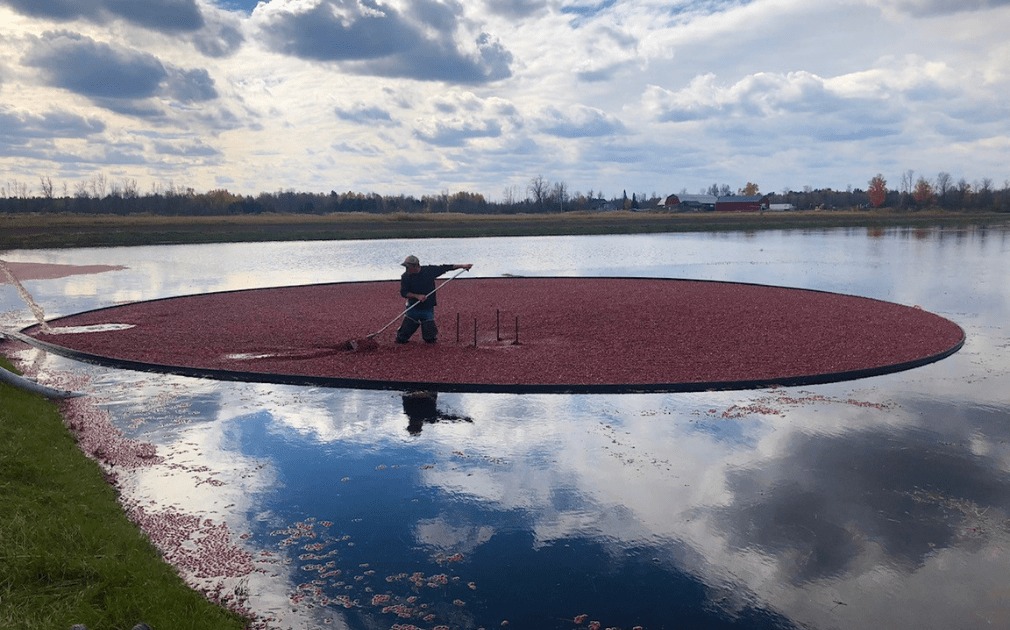
Cranberries in the North Country

One of my favorite things about fall is the beautiful seasonal color. Of course, I am talking about the glowing ruby reds of… cranberries! One of the last fruits of the year to ripen, these native, low-growing berries are a staple of holiday feasts, but they have application far beyond turkey condiments. Cranberries are high in fiber and vitamin C, as well as anthocyanin – that’s what gives them their vibrant color; it is also a powerful antioxidant. Naturally low in sugar, cranberries are often prepared with additional sweeteners – but they don’t have to be!

We are incredibly lucky to have one of just two cranberry farms in New York State right here in the North Country, at Deer River Cranberries of Brasher Falls. When I first tasted these berries – available fresh and frozen from many local retailers, as well as direct from the farm – I was amazed by how different the flavor was compared to supermarket ‘fresh’ berries. In fact, they are so tasty that my family and I like to snack on them raw, without any added sugar.
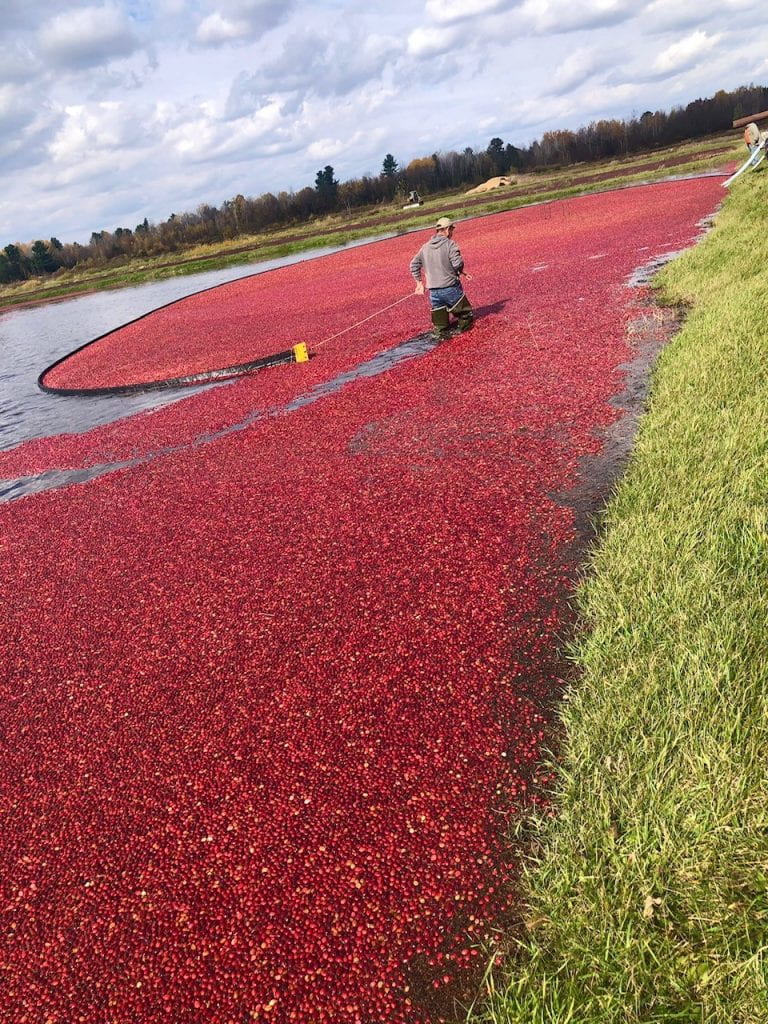
cranberry harvest
Autumn harvest at Deer River Cranberries in Brasher Falls. Photo courtesy of Sasha Kocho-Williams.

But, if you do want to prepare something with them, you will be spoiled for choice. From a simple cooked cranberry sauce (whole-berry, crushed, or strained style) that can be water-bath canned for long-term, shelf-stable storage, to fresh relishes, juicing, and baked goods, cranberries are as versatile as they are beautiful.
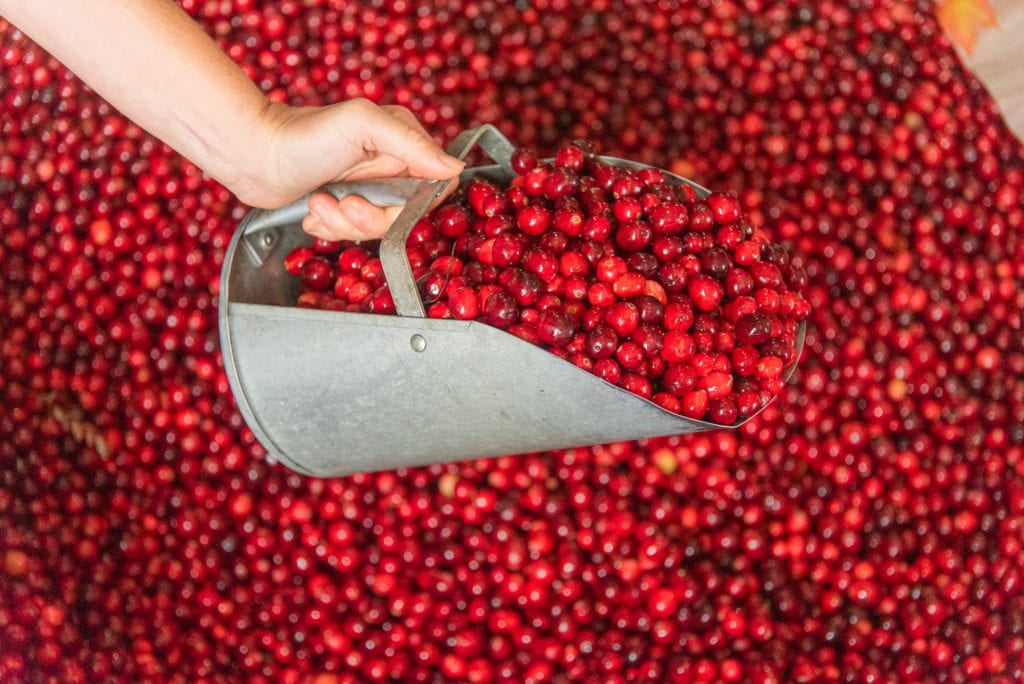
Scoop of cranberries
Deer River cranberries wholesales most of their berries, but they are also available for sale by the pound onsite during October harvest. Photo courtesy of Cornell Cooperative Extension.

Read more Cranberries in the North Country

Vegetable Lover’s Shakshuka

Roisin Creedon-Carey chose to intern at Cornell Cooperative Extension to focus on sustainable agriculture practiced through community living. This is the final of three blog posts in her experience embracing seasonal eating as part of her student experience at St. Lawrence’s Adirondack Semester. Find the link to her recipe at the close of the article.

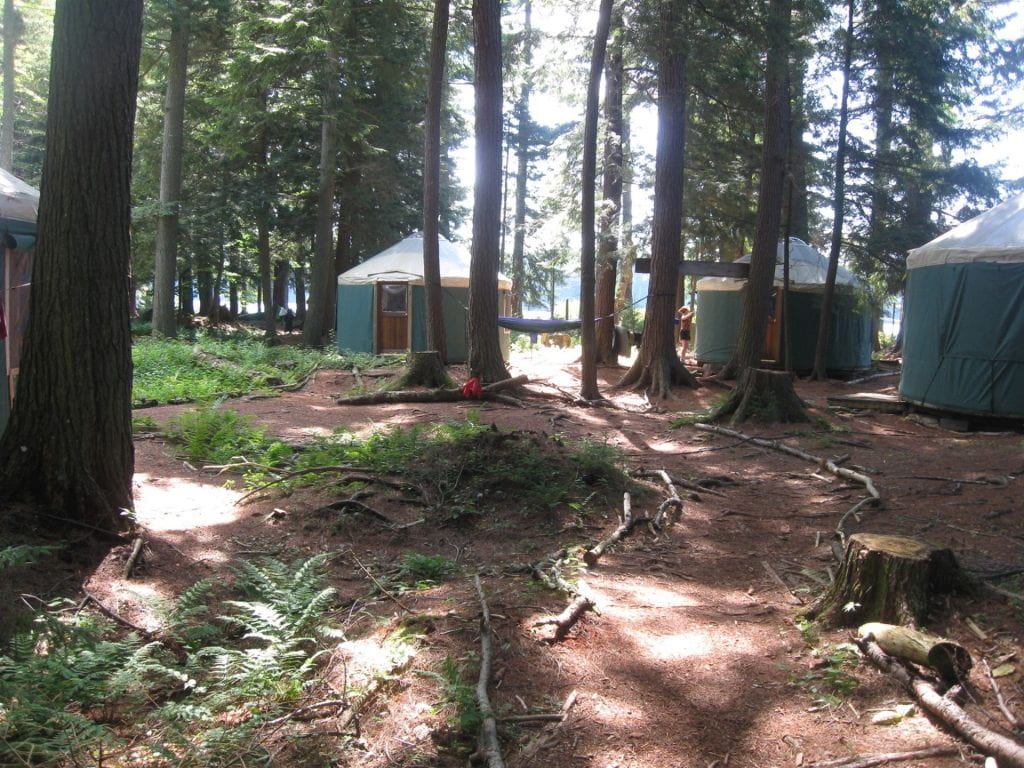
Yurt village in ADKS
Yurt village at Adirondack Semester, photo credit: St. Lawrence University

Every Friday, our assistant directors Will and Amanda, would leave the yurt village to do office work and run errands. The students would stay, attending classes and plugging away at woodworking projects, knowing that at 6:30 pm we would reconvene at the dinner table. Around 4:30, we would start to get antsy. We knew that they’d soon be back with mail, newspapers, and weather reports, but most importantly vegetables, meat, and eggs for the week ahead. A bell would ring, alerting us to their arrival. The ten of us would run to greet them and begin hauling in the boxes of goodies from the outside world.

As a group, we would divide and conquer. Some students would bring mail into the classroom, and others would trek vegetables from our Kent Family Growers share into the kitchen. We would shift the vegetables we still had on hand to the front of the pantry so they’d get used first. Read more Vegetable Lover’s Shakshuka

Finding (And Using) Your Roots

As a sophomore at St. Lawrence University, I participated in the Adirondack Semester. This program offers an immersive place-based learning campus located in the Adirondack Park. With sustainable living in mind, a group of 10 students paddled via canoe to lake Massawepie’s Yurt Village. In our village, we had no running water, no technology, and our main mode of transportation was a canoe or kayak. We got weekly installments of fresh produce from Kent Family Growers located in Lisbon. 

Yurt #2 was my home for the semester.

And as ten novices in the kitchen, our semester quickly adapted to utilizing every part of a vegetable. As students, we were accustomed to running to the supermarket for a spice you could not find in your pantry or fresh lettuce in the dead of winter. This was a luxury. These past few months our group meals were shaped around fresh, in-season vegetables. There was no “running to the market.” We ate what we had, and what we had was local. As a part of this program, once it gets too chilly to live in a yurt, the students move on to Capstone Internships.  Read more Finding (And Using) Your Roots