Resistance isn’t exclusive to antibiotics; all antimicrobials are susceptible.
However, some antimicrobials are less burdened by resistance. Scientists are exploring alternatives, such as bacteriophages (phages) [5].
Bacteriophages (phages) are bacterial viruses that infect their host to replicate. The infection cycle kills its bacterial host in the process.
Phages are the natural predators of bacteria.
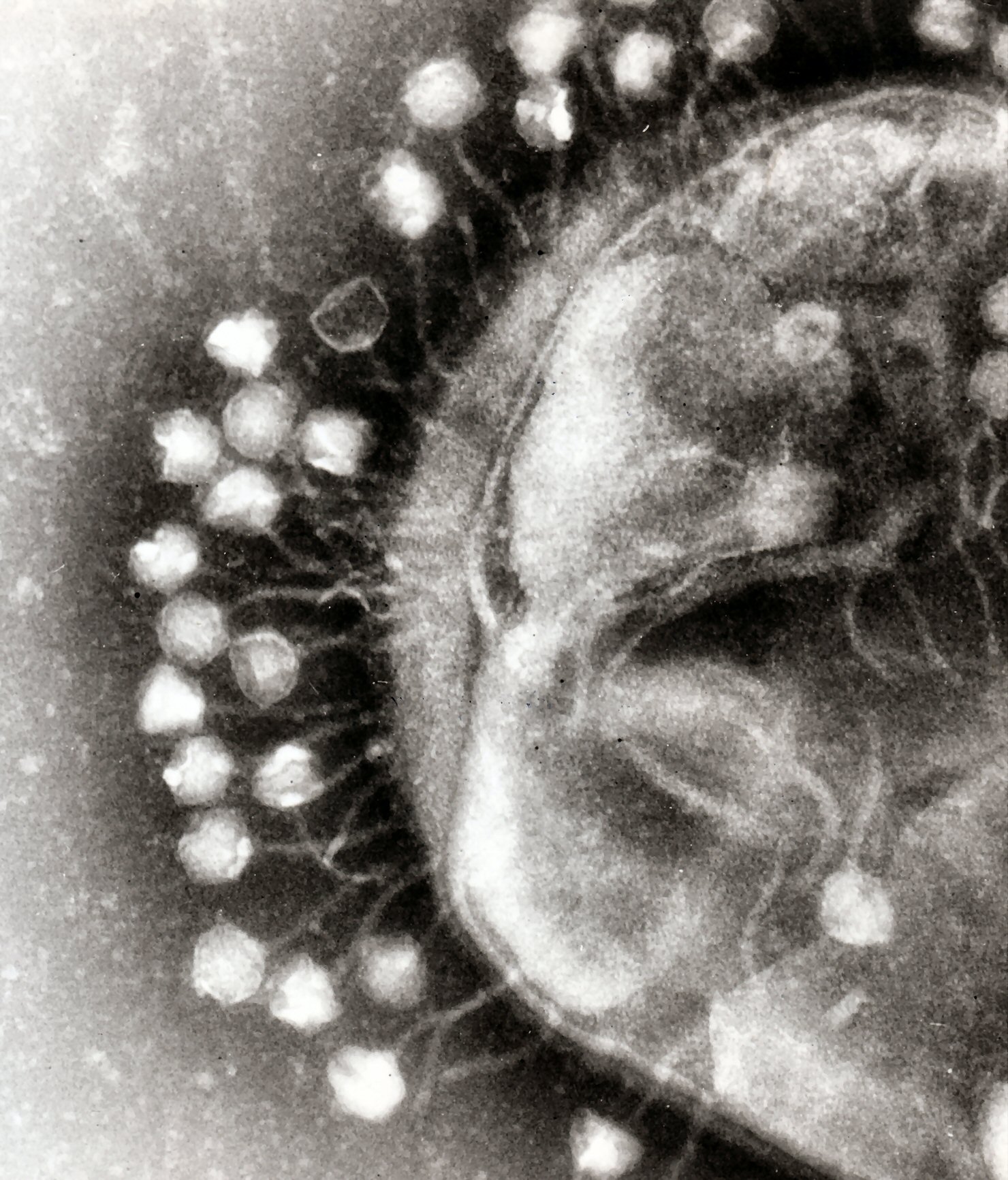
Figure 3. 3. Beards, G. (2008). Phage.jpg. Source.

Their name is derived from the Greek word to devour and translates to “bacteria eater.” Phages are viruses that infect bacteria cells, and they do so to reproduce because viruses lack the biomolecular machinery to replicate.
During their lytic infection cycle, a phage injects its genome into a bacterial cell, turning it into a phage-producing factory. The cycle concludes with the fatal bursting of the host bacterium, a process called cell lysis, showcasing their antimicrobial activity.
Bacterial Lysis is the fatal bursting of a cell, releasing its contents.
watch: phage infection cycle
Phages Rule
Phages offer advantages over antibiotics. Phage specificity is a crucial feature. Unlike broad-spectrum antibiotics, phages can target pathogens without disrupting the overall microbial community.
Targeted antimicrobials can attack specific pathogens while minimizing harm to healthy cells.
This specificity is crucial as we learn more about the importance of the gut microbiome in human health.
Additionally, we can genetically edit phages to make it harder for bacteria to develop resistance against them [5].
In the fight against phage resistance, we introduce colicins.
E. coli produces colicins to outcompete bacterial rivals under stressful conditions. They can be thought of as protein-based weapons used in bacterium-on-bacterium combat.
Like phages, colicins are targeted and naturally occurring. There are different types of colicins. In this work, we’re looking at colicin-E1 and colicin-M.

Colicin-M is like a poison that prevents the regeneration of the cell’s outer layer [6].
Colicin-E1 is like a bacterial bullet or dagger that fatally pierces through a cell’s outer layer [6].
Despite differing mechanisms, the end result for both colicins is the same: death.
In the upcoming lessons, we’ll explore the fusion of phages and colicins to achieve two goals:
- How we use genetically engineering to develop a phage-colicin antimicrobial that is less prone to resistance than antibiotics
- Learn how bacteria resist our phage-colicin antimicrobial.
< Ch. 3 Resistance 101 | Ch. 5 Weaponized antimicrobials >
